Long ago, the world was a noisy, chaotic place. The atua were constantly bickering and fighting. Io, the supreme creator, looked down and realized te whenua needed a special guardian—a kaitiaki—to care for it. Io needed the human element, but it was nowhere to be found.
The atua tried everything to create this new being. Instead of humans, they created the rest of the beautiful world: Tangaroa made the crashing oceans, Tāwirimātea made the howling winds, and Tāne created the lush forests and all the creatures in them. Tāne tried the hardest of all, filling the world with amazing plants and animals, but he still couldn’t find the secret to making a human.
Frustrated, Tāne visited his oldest brother, Uru-te-Ngangana, the god of light and stars.
“You are failing because gods are only mixing with other gods,” Uru explained. “Our mother, Papatūānuku, is hiding the secret. You must go to a sacred place called Kurawaka. There, you will find a special red clay.”
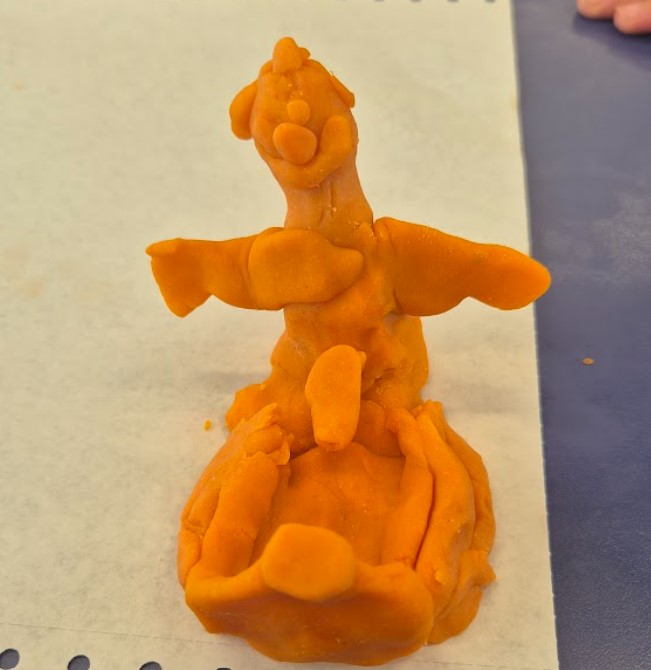
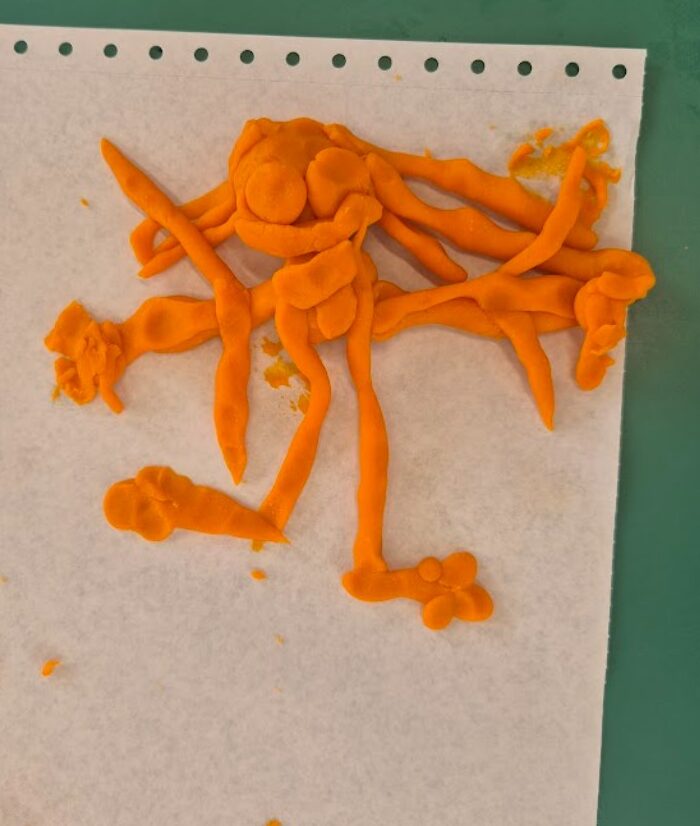
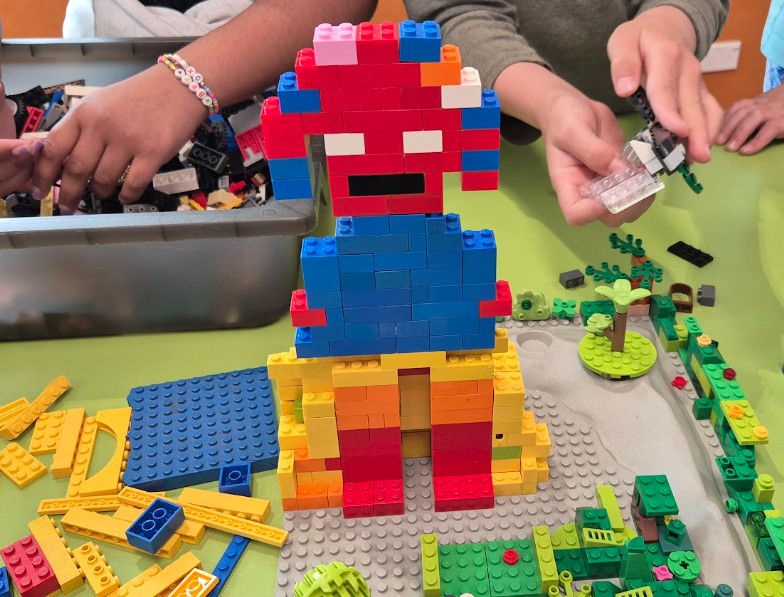
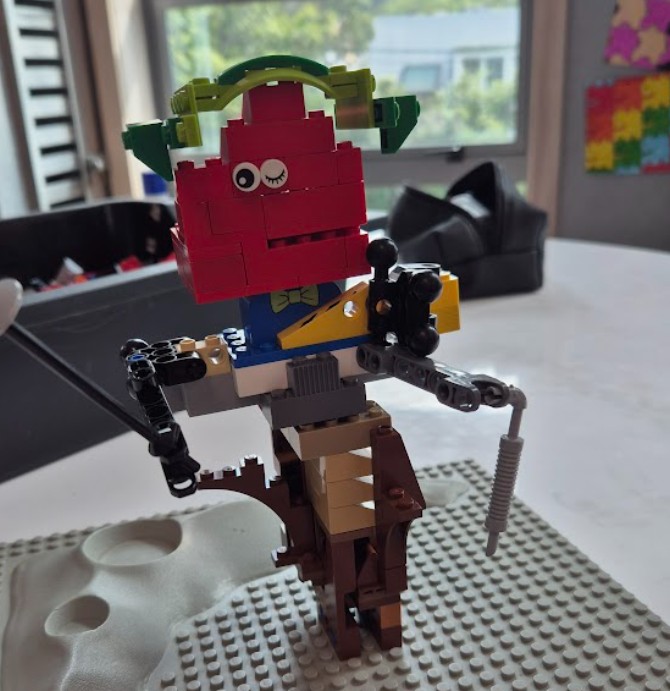
Tāne and his siblings rushed to Kurawaka. Together, they began to shape a figure from the red earth, and many gods contributed parts of themselves to help. Uru gave his light to form the eyes and the base of the skull. Two other siblings, Rōiho and Rōake, shaped the left and right sides of the brain. Another god, Rongomaraeroa, shaped the stomach.
Because humans were literally shaped from the earth, we are not separate from nature—we are a part of it! This is why today, when Māori introduce themselves in a pepeha, they always name their maunga and awa.
When the gods finished, a beautiful figure lay before them. They named her Hineahuone—the woman of the clay. The first human was a woman, honouring the truth that women are the ultimate life-givers.
She was perfect, but she was not yet alive.
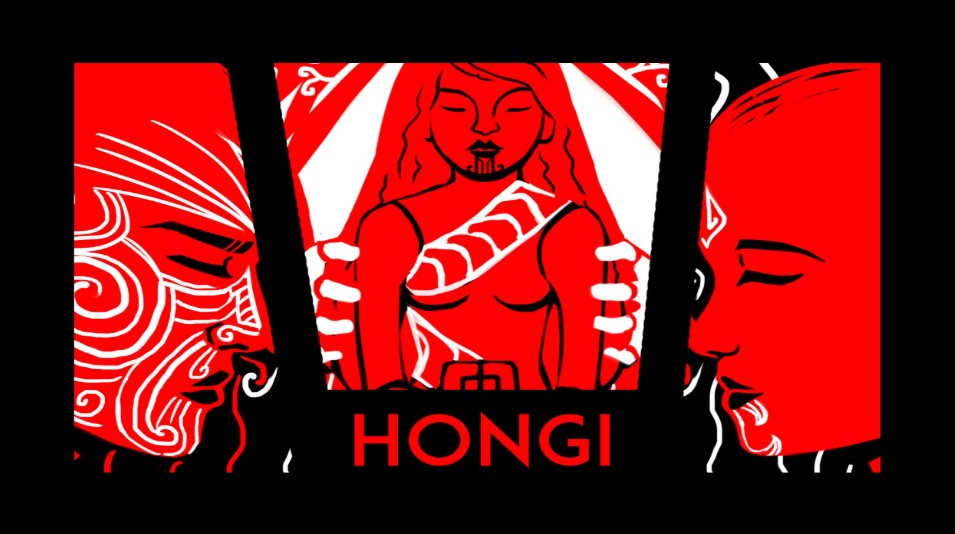
Tāne leaned down, pressed his nose and forehead against hers, and breathed his own breath into her.
“Tihei Mauri Ora!” he exhaled—Sneeze the breath of life! Hineahuone opened her eyes and came to life. Because Tāne is the god of the forests, the trees still give us the oxygen we need to breathe every single day. In return, it is our job to be kaitiaki and protect the trees and the land.
That very first breath between Tāne and Hineahuone became the hongi—the beautiful Māori greeting where two people press their noses and foreheads together. When you share a hongi, you are acknowledging the gods and Tāne, sharing the breath of life and remembering that we are all connected.
For the iwi of Te Atiawa, the hongi is used at the very beginning of a pōwhiri to greet manuhiri. It is a sign of deep trust, showing that the guests come in absolute peace.
Even though there was a taupuru to keep everyone safe during Covid-19, the tikanga is back. Every time a hongi is shared today, it connects us all the way back to Tāne, the red clay of Kurawaka, and the very first breath of life.
Reo Māori
| Māori | English | Māori | English |
| atua | gods | te whenua | the Earth |
| ira tangata | human element | pepeha | introduction |
| maunga | mountain | awa | river |
| iwi | tribe | pōwhiri | welcoming ceremony |
| manuhiri | guests | taupuru | restriction |
| tikanga | custom |
Student Responses to the Pūrākau